


How to Choose the Right Air Conditioner for Your Room

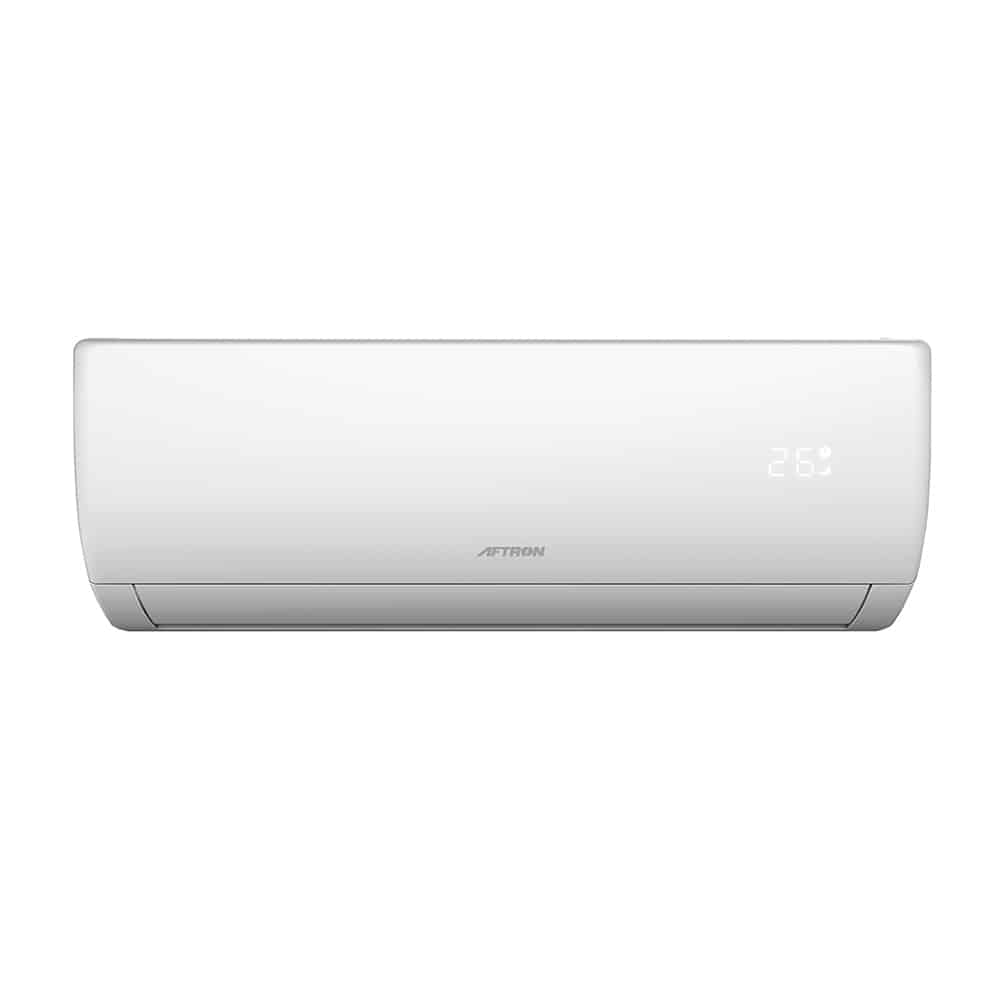
Choosing the right air conditioner for your room is an important decision that can directly affect your comfort, electricity consumption, and overall indoor environment. With a wide range of air conditioners available in different types, sizes, cooling capacities, energy ratings, and price ranges, it can be difficult to know which model is best suited to your specific requirements. Selecting an air conditioner based only on price or appearance may result in insufficient cooling, higher energy bills, or unnecessary maintenance costs.
This detailed guide explains the key factors to consider when choosing the right air conditioner for your room. It covers how room size influences the required cooling capacity and why selecting the appropriate AC size is important for efficient operation. The article also explores different types of air conditioners, including split, window, and portable models, helping you understand which option may be suitable for different rooms and installation requirements.
Energy efficiency is another major consideration discussed in the guide. Understanding energy ratings and inverter technology can help you choose a system that provides effective cooling while managing electricity consumption. The article also explains how factors such as direct sunlight, room insulation, ceiling height, number of occupants, and electronic appliances can influence cooling requirements.
In addition to basic cooling performance, modern air conditioners offer a variety of features designed to improve convenience and indoor comfort. Features such as sleep mode, timer settings, remote control, adjustable fan speeds, dehumidification, air purification, and smart connectivity can make daily operation easier. However, understanding which features are genuinely useful for your needs can help you avoid spending unnecessarily.
The guide also highlights the importance of noise levels, particularly when choosing an air conditioner for bedrooms, study areas, and offices. Proper installation is equally important because incorrect installation can reduce cooling efficiency, increase energy consumption, and affect the lifespan of the unit. Professional installation can ensure proper positioning, airflow, drainage, and system performance.
Regular maintenance is another essential part of owning an air conditioner. Cleaning filters, checking drainage, inspecting the outdoor unit, and arranging periodic servicing can help maintain cooling performance and prevent common problems. Proper maintenance can also contribute to a longer operating life and more reliable performance.
Finally, the article provides guidance on evaluating the overall cost of an air conditioner rather than focusing only on the initial purchase price. Electricity consumption, maintenance requirements, warranty coverage, spare parts availability, installation costs, and after-sales support should all be considered when comparing models.
Whether you are purchasing an air conditioner for a bedroom, living room, office, or another indoor space, understanding these factors can help you make a more informed decision. By matching the AC type and cooling capacity to your room requirements and considering energy efficiency, features, installation, and maintenance, you can choose a reliable air conditioner that delivers comfortable cooling and better long-term value.