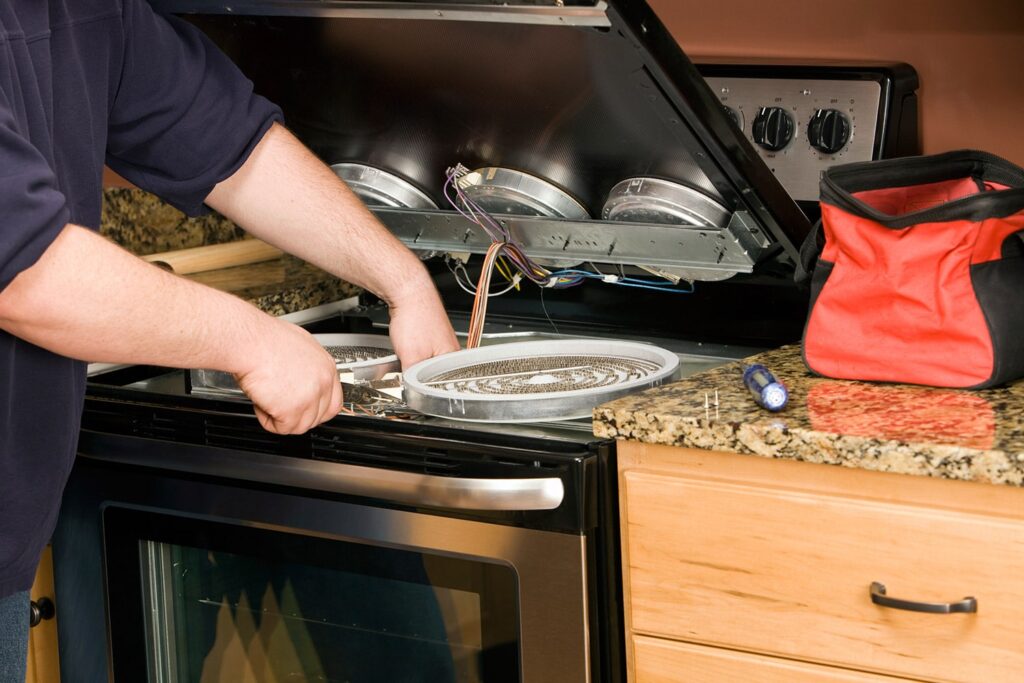




Why Choose Professional Gas Stove Repair Dubai Services?
Gas stoves are a vital part of daily life in homes and commercial kitchens across Dubai. They offer speed, control, and efficiency—but when something goes wrong, the risks can escalate quickly. From gas leaks to ignition failures, even minor issues can become serious hazards if not handled properly. This is why choosing professional gas stove repair services is essential for safety, reliability, and long-term performance.
🔧 Expert Diagnosis and Accurate Repairs
Gas stove problems are often more complex than they appear. Issues like uneven flames, burner blockages, or faulty ignition systems require technical expertise to diagnose correctly. Professional technicians are trained to identify the exact problem and fix it efficiently, ensuring your appliance works as good as new without repeated breakdowns.
⚡ Fast Service & Quick Response Across Dubai
One of the key reasons to choose professional repair services in Dubai is their speed and availability.
Recent industry trends show that:
- Many service providers offer same-day or next-day repairs for both residential and commercial kitchens.
- For urgent situations, response times typically range between 2–4 hours, especially in busy areas like Deira, Bur Dubai, JLT, JVC, Dubai Marina, and Sheikh Zayed Road.
This fast response ensures that your kitchen operations are not disrupted for long, making professional services highly convenient.
🚨 24/7 Emergency Repair Services
Gas stove issues can happen at any time, and delays can be dangerous. That’s why many repair companies now provide 24/7 emergency services across Dubai and nearby cities like Sharjah and Abu Dhabi.
Whether it’s:
- A suspected gas leak
- A stove that won’t ignite
- Irregular or unsafe flames
Professional technicians are available around the clock to handle emergencies safely and effectively.
🛠️ Safety Comes First
Gas appliances require careful handling, and improper repairs can lead to serious consequences like fires or explosions. Professional repair services follow strict safety standards, ensuring all connections are secure and leak-free. They also perform thorough testing after repairs, giving you complete peace of mind.
🔩 Genuine Spare Parts & Advanced Tools
Another advantage of hiring professionals is access to genuine spare parts and advanced repair tools. Using low-quality components can lead to frequent breakdowns and reduced efficiency. Experts ensure your stove is repaired using the right parts, improving both performance and durability.
💰 Cost-Effective in the Long Run
While DIY fixes or cheap repairs may seem appealing, they often lead to recurring problems. Professional services may have a higher upfront cost, but they save money over time by preventing repeated repairs and extending the lifespan of your gas stove.
🔍 Common Problems Professionals Can Fix
Professional gas stove repair services can handle a wide range of issues, including:
- Burner not lighting properly
- Weak or uneven flame
- Gas leakage or unusual smell
- Ignition switch failure
- Blocked burners or gas flow issues
- Delayed or noisy ignition
🏠 Improved Efficiency and Longer Lifespan
Regular servicing by professionals ensures your gas stove operates efficiently and safely. Timely maintenance not only prevents major breakdowns but also extends the life of your appliance, making it a smart long-term investment.
📌 Conclusion
Choosing professional gas stove repair services in Dubai is the safest and most reliable option. With fast response times, same-day service availability, and 24/7 emergency support, expert technicians ensure your kitchen remains functional and safe at all times. Instead of risking DIY fixes, trusting professionals guarantees quality repairs, long-term savings, and complete peace of mind.
❓ FAQs
1. How fast can I get gas stove repair in Dubai?
Most providers offer same-day service, with emergency response typically within 2–4 hours.
2. Are 24/7 gas stove repair services available?
Yes, many professional agencies provide round-the-clock emergency support.
3. Is it safe to repair a gas stove myself?
No, gas appliances should always be handled by trained professionals to avoid safety risks.
4. What are the common signs my gas stove needs repair?
Weak flames, ignition issues, gas smell, or uneven heating are common warning signs.
5. How often should I service my gas stove?
It’s recommended to service your gas stove once or twice a year for optimal performance and safety.